
TARANTULA DEN • PREMIUM INVERTEBRATES
Panama Blonde(Psalmopoeus pulcher)
● SOLD OUT
Need help choosing a species? Contact us before ordering and we'll help you find the right tarantula.
Secure checkout • Careful packaging • South African support
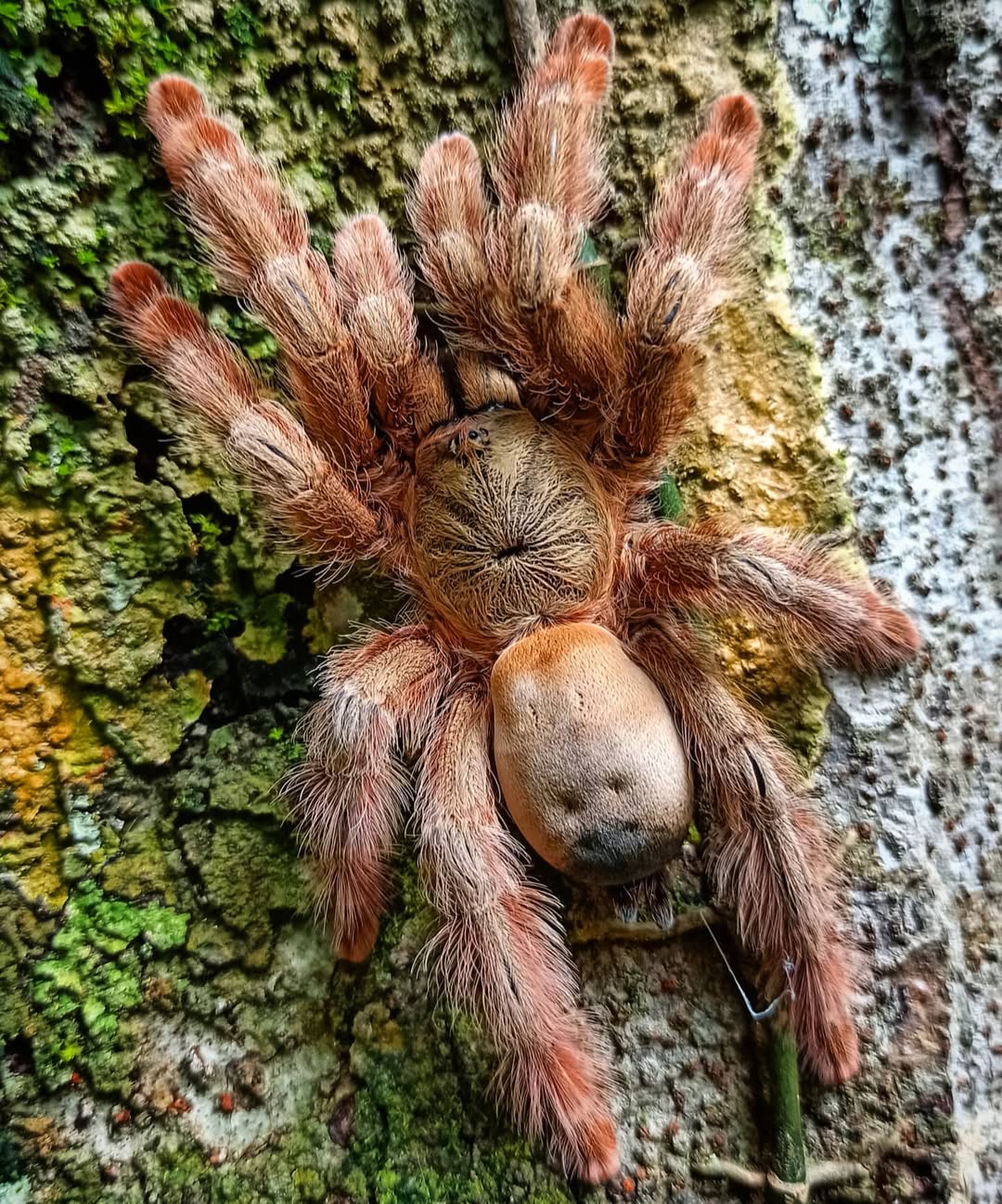
The Panama Blonde is one of the most elegant and underrated arboreal tarantulas in the hobby. With its creamy gold coloration, velvety legs, and graceful arboreal posture, Psalmopoeus pulcher offers beauty, speed, and attitude in one stunning package.
Unlike many New World tarantulas, this species has no urticating hairs, relying instead on speed and threat displays — giving it an “Old World feel” while remaining a New World species.
Quick Facts
Common Name: Panama Blonde
Scientific Name: Psalmopoeus pulcher
Origin: Panama
Habitat Type: Arboreal rainforest species
Size: 5–6 inches (12–15 cm) leg span
Lifespan:
- Females: 10–12 years
- Males: 3–4 years
Temperament: Fast, skittish, defensive when cornered
Coloration
Golden blonde to tan carapace and legs
Darker abdomen with subtle striping
Velvety appearance with soft cream highlights
Mature specimens often develop a warm bronze sheen
One of the most naturally elegant color palettes in the Psalmopoeus genus.
Housing
Enclosure Type: Arboreal — tall enclosure preferred
Substrate: 2–3 inches of slightly moist substrate
Humidity: 70–80%
Temperature: 74–82°F (23–28°C)
Decor:
- Vertical cork bark tubes
- Branches and foliage
- Elevated webbing anchor points
- Water dish with good airflow
Expect heavy webbing around cork bark retreats and upper enclosure areas.
Feeding
Diet: Crickets, roaches, locusts, mealworms
Feeding Frequency:
- Slings: 2–3x/week
- Juveniles: Weekly
- Adults: Every 10–14 days
Aggressive feeding response and very fast strikes
Why Keep One?
Gorgeous blonde coloration
Fast-growing and hardy arboreal species
Active webber with fascinating behavior
A great stepping stone into faster arboreals
Notes
Extremely quick and agile
No urticating hairs — relies on speed and biting for defense
Can jump unexpectedly during maintenance
Best suited for intermediate keepers