
Skip to product information
1 of 1

Tarantuladen.co.za

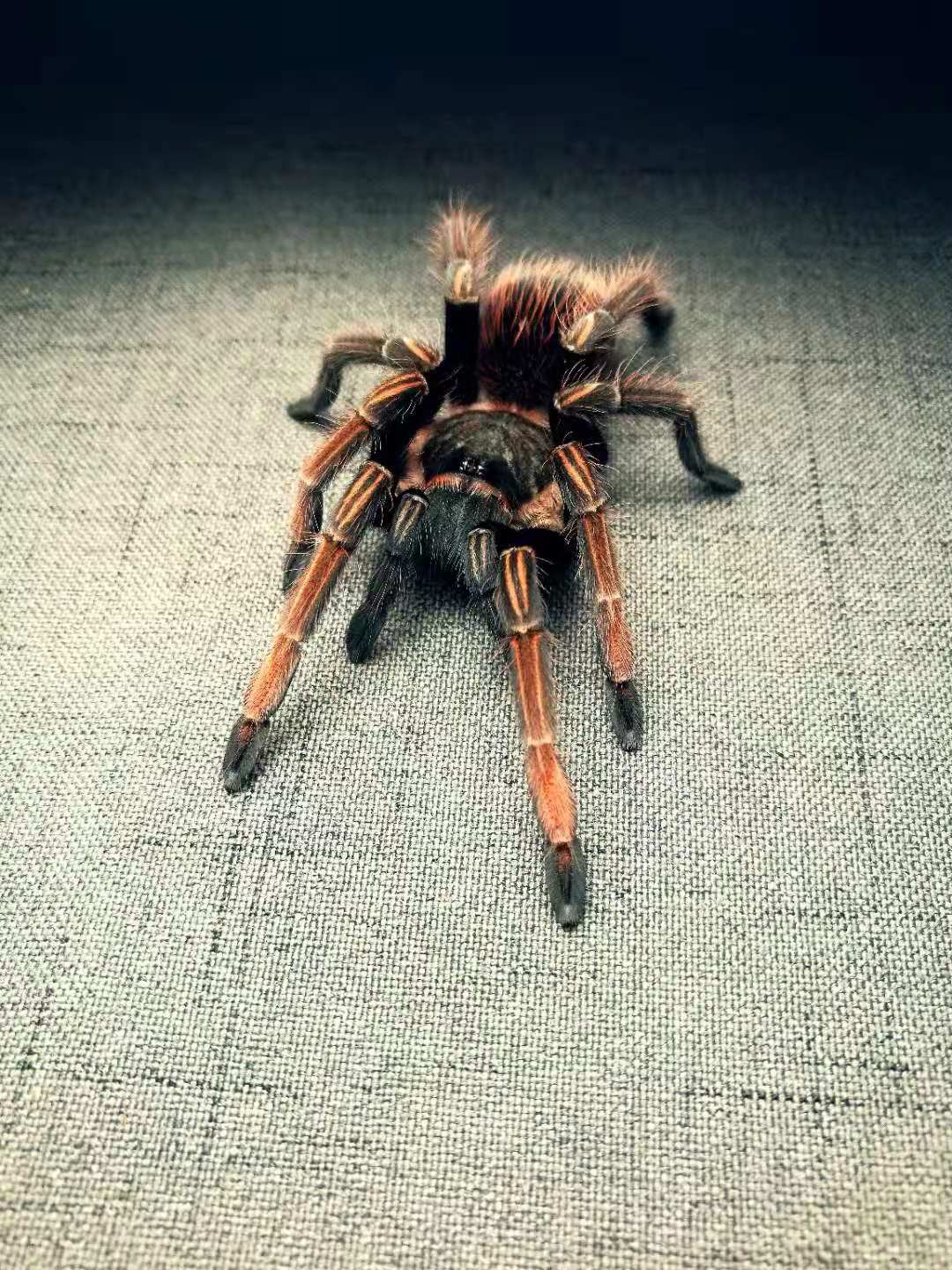
Santa Catalina (Sericopelma sp Santa Catalina)

Santa Catalina (Sericopelma sp Santa Catalina)

Regular price R 2,000.00
Regular price Sale price R 2,000.00
Sale Sold out

Low stock: 1 left

The Santa Catalina is an uncommon Central American New World tarantula appreciated by collectors for its earthy appearance, sturdy build, and interesting burrowing behavior. Less flashy than many brightly colored species, it offers a more natural look and fascinating terrestrial lifestyle.


Quick Facts

  • Common Name: Santa Catalina
  • Scientific Name: Sericopelma sp. “Santa Catalina”
  • Origin: Central America — Santa Catalina locality
  • Habitat Type: Terrestrial / Fossorial
  • Size: Approximately 4–5 inches (10–13 cm) leg span
  • Lifespan:
    • Females: 10–15+ years
    • Males: 3–5 years
  • Temperament: Shy, skittish, and potentially defensive

Coloration

  • Dark brown to chocolate-black overall coloration
  • Subtle bronze and copper highlights across the carapace
  • Dense, velvety body hairs
  • Earthy tones provide excellent natural camouflage

Its appeal comes from its natural appearance and behavior rather than bright, flashy colors.


Housing

  • Enclosure Type: Terrestrial with fossorial tendencies
  • Substrate: 4–6 inches of compactable substrate
  • Humidity: 65–75%
  • Temperature: 72–80°F (22–27°C)
  • Decor:
    • Cork bark hide or starter burrow
    • Leaf litter
    • Moss
    • Water dish
  • Ventilation: Good cross-ventilation with a moisture gradient

Give it plenty of substrate to establish a secure retreat. Don't be surprised if your Santa Catalina spends plenty of time underground.


Feeding

  • Diet: Crickets, dubia roaches, locusts, mealworms, and appropriately sized feeder insects
  • Slings: 2–3x per week
  • Juveniles: Weekly
  • Adults: Every 7–14 days depending on body condition
  • Feeding Style: Usually quick and confident once settled

Why Keep One?

  • 🌎 Unusual Central American species
  • 🌿 Attractive natural coloration
  • 🕸️ Fascinating burrowing behavior
  • 🏡 Relatively straightforward husbandry
  • ⭐ Excellent addition to a collection of uncommon New World species

Notes

  • Can be fast and defensive when disturbed
  • Not recommended for handling
  • May remain hidden underground for extended periods
  • Avoid keeping the entire enclosure saturated; provide a moisture gradient
  • As this is traded under a locality-based hobby name, accurate locality and breeder records are valuable
View full details