Tarantula Den • The Den • Santa Catalina (Sericopelma sp Santa Catalina)
AVAILABLE NOW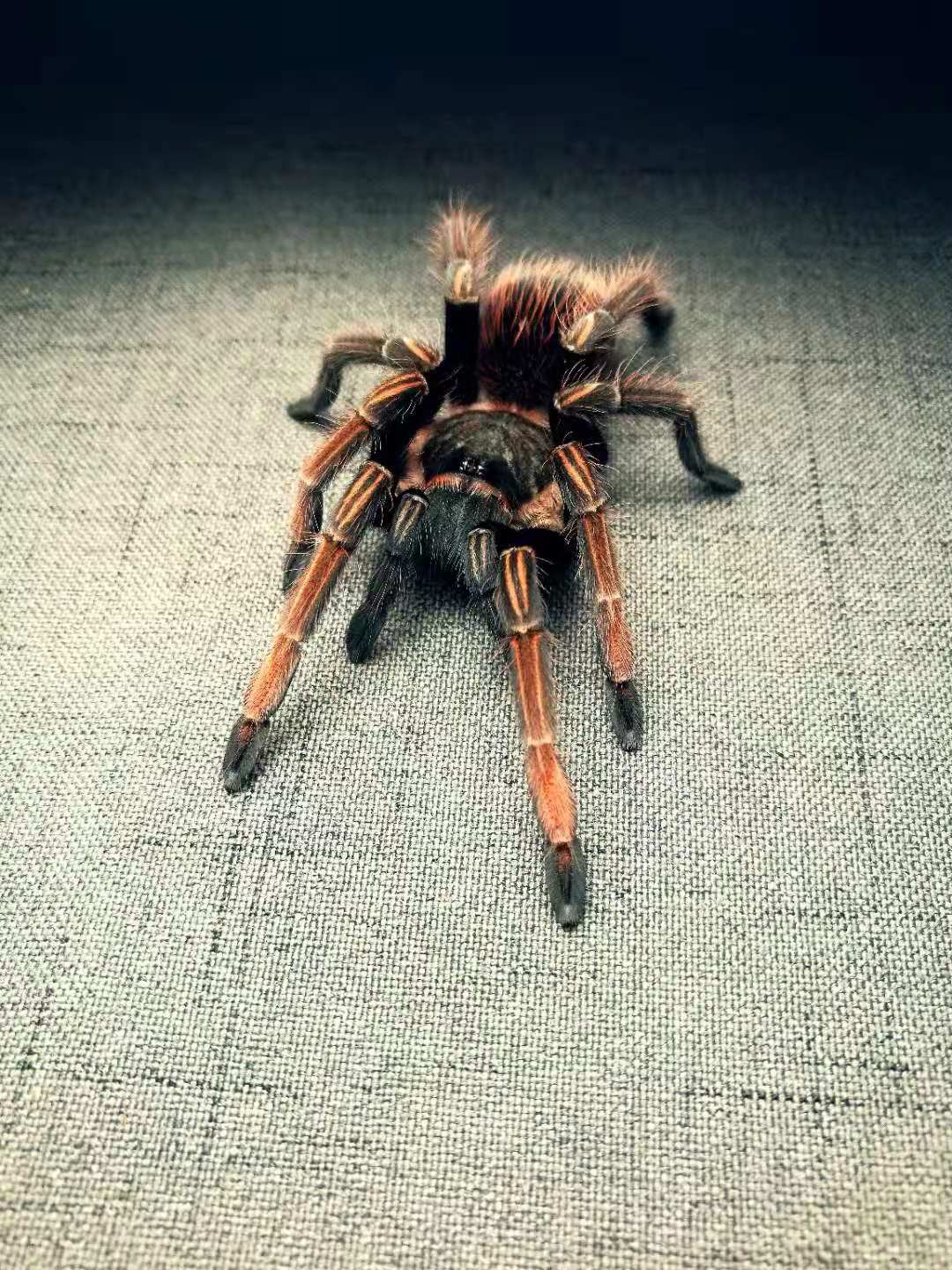
TARANTULA DEN • PREMIUM INVERTEBRATES
Santa Catalina (Sericopelma sp Santa Catalina)
R 2,000.00ON SALE
● AVAILABLE
🛡️ LIVE ARRIVALShop with confidence
🚚 SAFE DELIVERYAcross South Africa
💬 WHATSAPP HELPSpecies advice & support
Need help choosing a species? Contact us before ordering and we'll help you find the right tarantula.
🛡️ SHOP WITH CONFIDENCE
Secure checkout • Careful packaging • South African support
The Santa Catalina is an uncommon Central American New World tarantula appreciated by collectors for its earthy appearance, sturdy build, and interesting burrowing behavior. Less flashy than many brightly colored species, it offers a more natural look and fascinating terrestrial lifestyle.
Quick Facts
-
Common Name: Santa Catalina
-
Scientific Name: Sericopelma sp. “Santa Catalina”
-
Origin: Central America — Santa Catalina locality
-
Habitat Type: Terrestrial / Fossorial
-
Size: Approximately 4–5 inches (10–13 cm) leg span
-
Lifespan:
- Females: 10–15+ years
- Males: 3–5 years
-
Temperament: Shy, skittish, and potentially defensive
Coloration
- Dark brown to chocolate-black overall coloration
- Subtle bronze and copper highlights across the carapace
- Dense, velvety body hairs
- Earthy tones provide excellent natural camouflage
Its appeal comes from its natural appearance and behavior rather than bright, flashy colors.
Housing
-
Enclosure Type: Terrestrial with fossorial tendencies
-
Substrate: 4–6 inches of compactable substrate
-
Humidity: 65–75%
-
Temperature: 72–80°F (22–27°C)
-
Decor:
- Cork bark hide or starter burrow
- Leaf litter
- Moss
- Water dish
-
Ventilation: Good cross-ventilation with a moisture gradient
Give it plenty of substrate to establish a secure retreat. Don't be surprised if your Santa Catalina spends plenty of time underground.
Feeding
-
Diet: Crickets, dubia roaches, locusts, mealworms, and appropriately sized feeder insects
-
Slings: 2–3x per week
-
Juveniles: Weekly
-
Adults: Every 7–14 days depending on body condition
-
Feeding Style: Usually quick and confident once settled
Why Keep One?
- 🌎 Unusual Central American species
- 🌿 Attractive natural coloration
- 🕸️ Fascinating burrowing behavior
- 🏡 Relatively straightforward husbandry
- ⭐ Excellent addition to a collection of uncommon New World species
Notes
- Can be fast and defensive when disturbed
- Not recommended for handling
- May remain hidden underground for extended periods
- Avoid keeping the entire enclosure saturated; provide a moisture gradient
- As this is traded under a locality-based hobby name, accurate locality and breeder records are valuable
🕷️ Care & species information
Species-specific care information is provided in the product description where available. If you are unsure about this species, please contact Tarantula Den before purchasing.
📦 Shipping & live arrival
We package tarantulas carefully for transport across South Africa. Please review the store's shipping and live-arrival terms before ordering, especially during extreme weather.
💬 Need help before buying?
We are happy to help with species selection, size, temperament, setup and general husbandry questions.
KEEP BUILDING YOUR COLLECTION
You May Also Like



 ISOPODS • CLEAN-UP CREW
